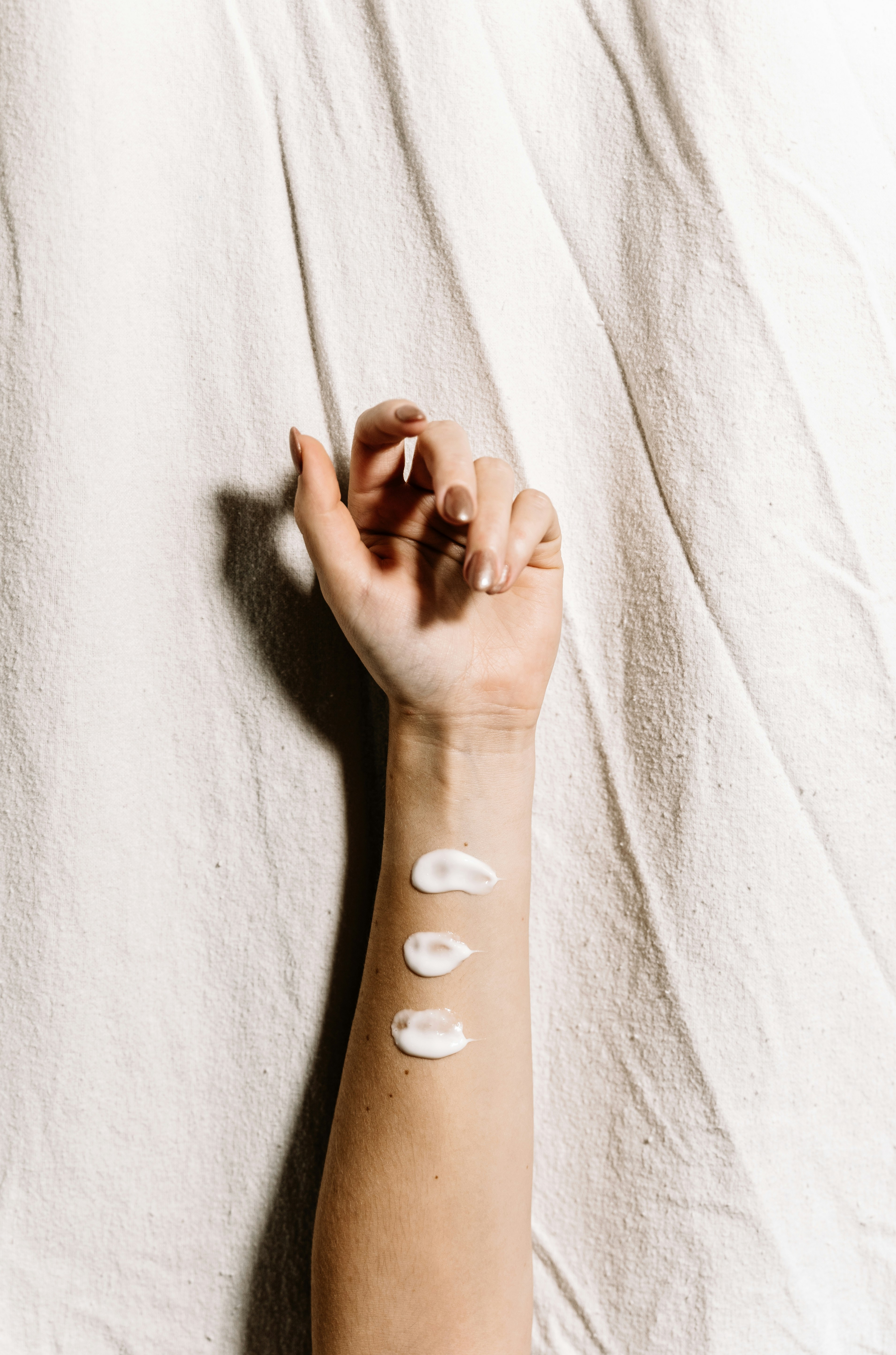
Not every AI skincare app is useful in the same way. This guide explains what matters before you trust a recommendation: clear inputs, realistic claims, progress tracking, privacy boundaries, and a workflow that helps you learn instead of over-treating your skin.
The best AI skincare apps do not act like miracle diagnosticians. They help you organize what you can see, connect that to your goals, and track whether your routine is improving or irritating your skin over time.
That means the question is not "Does this app use AI?" The better question is "Does this app help me make calmer, clearer skincare decisions without pretending to know more than it actually can?"
This guide explains what an AI skincare app can realistically do, what it should not promise, which trust signals matter most, and how to test an app without letting it push you into a chaotic routine.
Quick Answer
Before you trust an AI skincare app, look for five things:
clear inputs, including photos, goals, routine context, and sensitivity signals
realistic claims instead of diagnosis language or guaranteed results
progress tracking over time, not one-off recommendations from a single selfie
transparency about why it suggested a product, routine step, or skin concern
privacy controls that explain what happens to your face photos and data
If an app gives strong recommendations from weak inputs, ignores your routine history, or treats every scan like a final answer, treat it as a caution sign rather than a shortcut.
What an AI Skincare App Can Actually Help With
An AI skincare app can be useful when it behaves more like a pattern-recognition and tracking tool than a diagnosis machine.
In practical terms, good apps may help you:
notice visible patterns such as redness, uneven tone, visible pores, or breakout-prone areas
organize your current products and goals in one place
compare photos over time in more consistent conditions
see whether a recommendation matches your stated goal, such as calmer skin, fewer new breakouts, or better hydration
avoid changing products too quickly by keeping a visible record of what you tried and when
This is where apps like Biuty make the most sense. The value is not that the app "knows your skin" from one image. The value is that it helps you scan, journal, compare, and make fewer random decisions.
If you are new to the category, What Is AI Skin Analysis and What Can It Actually Tell You? is the best starting point because it separates tracking from diagnosis.
What an App Should Not Promise
This is the fast quality filter.
Be careful when an app sounds too certain about:
diagnosing a skin condition from a selfie alone
promising to cure acne, rosacea, hyperpigmentation, or irritation
guaranteeing that a product will work for you
claiming it can see beneath the skin or predict your results with confidence
pushing a full routine overhaul before it knows your tolerance, habits, or product history
The FDA's public information on AI-enabled medical devices is a useful reminder here: regulated medical AI is a specific category with safety and effectiveness expectations, and even that list is not a blanket endorsement for all consumer-facing AI tools. In everyday skincare terms, most beauty apps should be treated as guidance and tracking tools unless they clearly explain a stronger clinical use case.
That is why the safest mindset is not "the app told me, so it must be true." It is "the app gave me a hypothesis, and now I need a sane way to test it."
The 7 Questions to Ask Before You Trust a Recommendation
1. Does it ask for enough context?
Bad recommendation engines act confident with almost no information.
A better AI skincare app asks about:
your skin goals
your current routine
your history of irritation or sensitivity
whether you break out easily
the timeline you are working with
the products you have already tried
If the app does not know whether you are oily, dry, sensitive, acne-prone, barrier-compromised, or currently using retinoids, its recommendation may sound personalized while still being generic.
2. Does it explain why it suggested something?
You do not need a technical white paper. You do need a plain-language reason.
Good explanation sounds like:
"You said your main goal is post-breakout marks, and you are already tolerating a simple routine."
"Your scan suggests visible redness, but your answers also point to sensitivity, so the safer move is barrier support before stronger actives."
Weak explanation sounds like:
"AI detected skin issues. Buy this now."
If the logic is invisible, it becomes harder to judge whether the recommendation fits your actual problem.
3. Does it separate observation from diagnosis?
This is one of the most important trust checks.
A responsible app says things like:
visible redness
uneven tone
breakout-prone pattern
possible dryness or dehydration signals
An irresponsible app jumps straight to condition labels or treatment certainty from a limited image.
That boundary matters because face photos can miss context such as itch, burning, pain, hormonal timing, stress, product overuse, medication changes, or how your skin behaves across several weeks.
4. Does it support progress tracking over time?
One of the biggest quality differences between apps is whether they help you learn from change over time.
A useful AI skincare app should let you:
compare photos from consistent angles
log when you start or stop a product
track comfort, flaking, breakouts, redness, or tightness
review patterns across at least several days or weeks
Without that layer, recommendations can become expensive guesswork.
If your main question is whether a routine is helping or hurting, How to Know If Your Skincare Routine Is Actually Working gives the clearest tracking framework.
5. Does it account for skin-tone and photo-quality limits?
This is where many apps quietly break down.
Recent dermatology AI research keeps pointing to bias and uneven performance across skin tones, image quality, and dataset makeup. If an app never acknowledges lighting, camera differences, or skin-tone diversity, that is not a sign of confidence. It is a sign that the limitations are being hidden from you.
Look for signs that the app understands:
lighting changes can alter redness, shadows, and visible texture
phone cameras can exaggerate or flatten certain features
underrepresented skin tones can reduce model reliability
one photo is weaker than repeated, consistent observations
You do not need perfection. You do need humility.
6. Does it respect your privacy?
Face photos are sensitive personal data. Skin journals can also reveal health-adjacent information, habits, or emotional concerns that users assume will stay private.
Before uploading your face, check whether the app explains:
what photos and logs it stores
whether your data is used to improve models
whether data can be deleted
whether recommendations are tied to advertising or affiliate incentives
how long images are retained
If the privacy language is vague, buried, or written to maximize collection without clear user control, treat that as a product-quality issue, not just a legal footnote.
7. Does it make your routine simpler or more chaotic?
This may be the most practical test of all.
A strong app usually helps you narrow the next step:
keep going
simplify
patch test
introduce one change
track for two to four weeks
A weak app often does the opposite:
buy five products
switch cleanser, serum, and moisturizer at once
treat every visible problem as urgent
keep scanning without offering a useful decision framework
If the app increases noise, it is not helping.
A Simple Comparison Table
If the app says or does this | Treat it as |
|---|---|
Explains what it sees and what it cannot know | Good sign |
Lets you track photos, products, and symptoms over time | Good sign |
Matches recommendations to your goal and tolerance | Good sign |
Admits image quality and skin-tone limits | Good sign |
Guarantees outcomes or sounds diagnostic from one image | Red flag |
Pushes many new products at once | Red flag |
Hides why a recommendation appeared | Red flag |
Is vague about photo storage and deletion | Red flag |
A Better Way to Test Any AI Skincare App
If you want to know whether an app is actually helping, use it like this:
Step 1: Start with one clear goal
Examples:
fewer new breakouts on the chin
less visible redness after cleansing
more stable hydration by the end of the day
better consistency with sunscreen and routine timing
Step 2: Keep your routine mostly steady
Do not let the app turn a calm routine into a full experiment unless you already know why each change is happening.
Step 3: Change one thing at a time
If the app suggests a new product or adjustment, introduce one change, not three.
Step 4: Track what happened for at least 2 to 4 weeks
You are looking for a pattern, not a mood. Watch:
comfort
redness
dryness
flaking
new breakouts
visible tone or texture changes
Step 5: Judge the app by the quality of your decisions
The real measure is not whether the app sounds intelligent. It is whether it helps you make fewer impulsive, more evidence-led skincare moves.
If you need a baseline routine framework before you use any recommendation engine, How to Build a Skincare Routine That Fits Your Skin Type, Budget, and Goals and Skincare Routine Order: The Science Behind Perfect Product Layering are better foundations than another product list.
Where Biuty Fits
Biuty is strongest when you want an AI skin concierge that supports better observation, not more noise.
That means using it to:
scan visible changes
keep photos consistent
log product changes
compare progress over time
connect skin goals to calmer next steps
The point is not to replace judgment. The point is to make your judgment less random.
When an App Is Not Enough
Some situations should not be left to a consumer skincare app alone.
Get professional help sooner if:
a rash is painful, rapidly spreading, or blistering
a spot is changing in a way that worries you
irritation is severe or persistent
breakouts are scarring
the skin problem seems connected to medication, allergy, or a broader health issue
An app can support observation. It should not be treated as your final answer for high-stakes skin concerns.
What to Track in Biuty
If you want to use an AI skincare app more responsibly, track these five things in Biuty:
the same front and side photos in consistent light
your top skin goal for the next 2 to 4 weeks
exact product start dates
comfort signals such as stinging, tightness, flaking, and lingering redness
whether the recommendation made your routine simpler, steadier, and easier to judge
That gives you a much better question than "What did the app say today?" You can ask: "Did this recommendation help me make a better decision, and did my skin actually get more stable over time?"
Key Takeaways
The best AI skincare apps are not magic mirrors. They are decision-support and tracking tools that help you connect visible skin changes, routine context, and progress over time.
Before you trust one, check whether it asks for enough context, explains its logic, respects privacy, tracks change over time, and stays honest about image and skin-tone limits. If it sounds too certain from too little information, it is probably weaker than it looks.
Used well, an AI skincare app can reduce guesswork. Used badly, it can make your routine noisier, more expensive, and harder to judge. Biuty works best when you use it to scan, journal, compare, and test changes with more discipline instead of more hype.
Skincare technology editors focused on evidence-informed routines, ingredient literacy, and visual skin progress tracking.
Explore our guides:
The Complete Guide to Skin Concerns · The Complete Skincare Ingredients Guide
Track what actually works for your skin
Biuty helps you compare skin progress over time, understand routine changes, and reduce product guesswork with visual tracking.
Try Biuty
Learn more
Discover more from the latest posts.