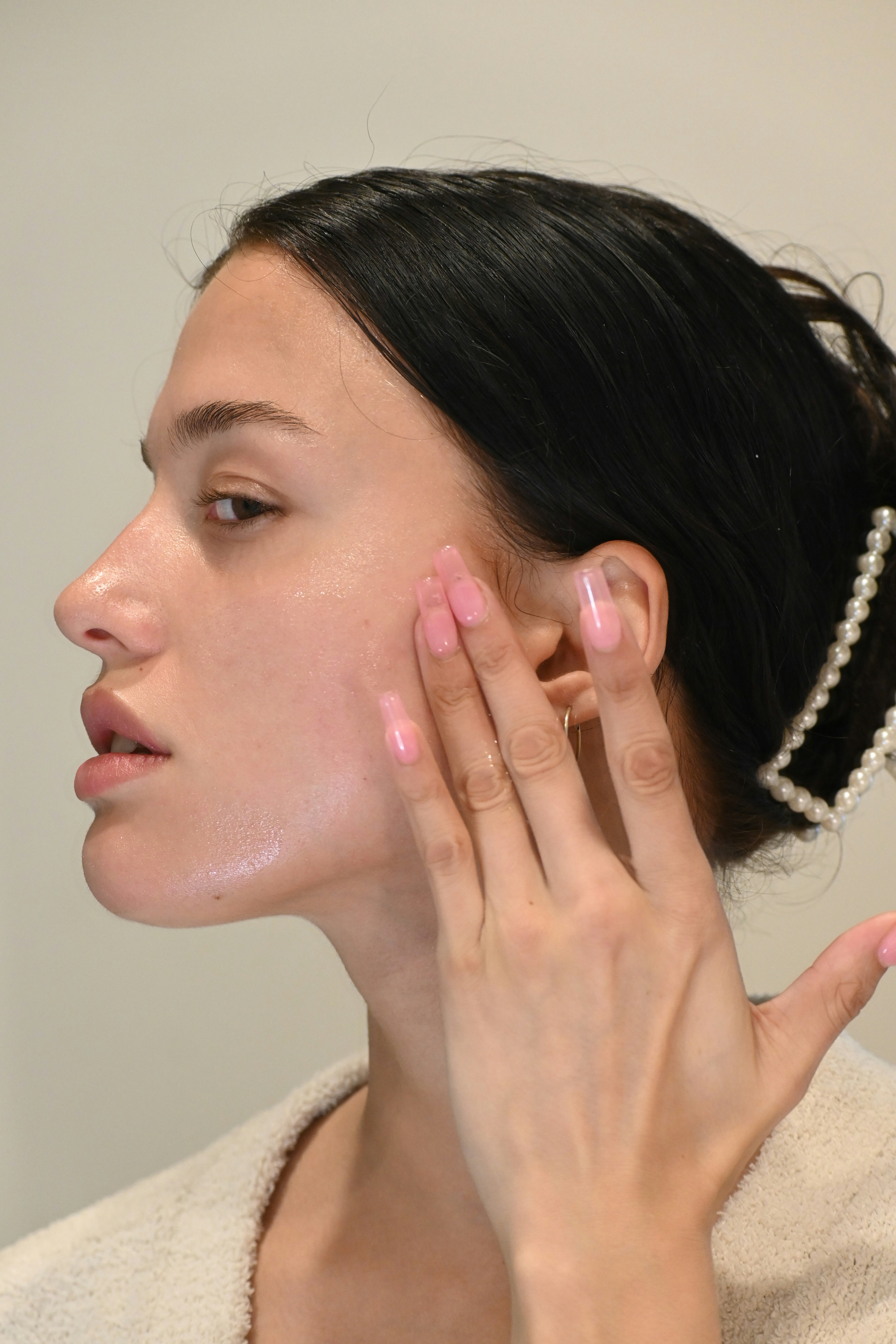
From facial redness and closed comedones to neck lines and body breakouts — this guide maps every major skin concern, what drives it, and the evidence-based way to treat and track it.
Most skin concerns are treatable — but only if you correctly identify what you are dealing with, choose an approach backed by evidence, and give it enough time to work. This guide maps every major skin concern we cover, explains what actually drives each one, and links to our in-depth guides so you can go deeper on the issues that matter to your skin.
How to use this guide
Skincare fails for two reasons: the wrong diagnosis, or the right treatment abandoned too early. Before you change anything, take baseline photos in consistent lighting and note what you are seeing — texture, redness, breakouts, lines. Then pick one concern, follow the linked guide, and track whether your routine is actually working over 4–8 weeks before judging the result. That single habit separates people who make progress from people who cycle through products forever.
Facial redness and sensitivity
Persistent flushing has many possible drivers — rosacea, a damaged moisture barrier, or reactive sensitivity — and each needs a different approach. Start with our complete guide to calming persistent facial redness to identify your pattern.
If your skin reacts to products that are supposedly gentle, the culprit is often an ingredient you would never suspect. Our guide to hidden skincare triggers walks through the unexpected ingredients that cause sensitive-skin reactions and how to isolate yours.
Texture, bumps, and breakouts
Not all bumps are acne, and treating them all the same way is why harsh scrubs so often make things worse.
Closed comedones — the small flesh-colored bumps that cluster on the chin respond to patience and chemical exfoliation, not scrubbing. See how to treat closed comedones gently.
Active pimples — hydrocolloid patches genuinely help, but the price differences are mostly marketing. We compared brand-name vs generic pimple patches.
Underarm breakouts — often folliculitis or ingrown hairs rather than true acne. Our guide to armpit breakouts covers how to tell them apart and treat each one.
The eye area
The skin around your eyes is the thinnest on your body, which makes it the first place aging shows and the easiest place to over-treat.
Tretinoin for dark circles — what the evidence supports, and when dark circles will not respond because they are structural.
Tretinoin and eye-area aging — what retinoids can and cannot fix around the eyes, and the treatments that fill the gaps.
Neck and jawline aging
Your neck ages faster than your face — thinner skin, fewer oil glands, constant movement, and years of missed sunscreen. Prevention and early treatment matter more here than anywhere else.
Preventing and treating neck lines after 30 — from skincare to in-office options.
Advanced treatments for platysma bands — when lines become bands, and what works beyond Botox.
Facial volume and structure
Wrinkles get the attention, but volume loss is what actually makes faces look older. Two perspectives worth understanding: why a little weight gain can be your best beauty investment, and — if you are considering filler — how to avoid the migration problem in our guide to lip filler problems and natural results.
Body skin concerns
Body skin ages and breaks out too — it just gets a fraction of the attention.
Making body skincare actually happen — realistic routines that survive busy weeks.
Anti-aging body skincare that works — proven ingredients for firmer, smoother body skin.
Hand, foot, and nail care — the areas that give away age fastest.
The step most people skip: verifying change
Every concern on this page shares one problem: skin changes too slowly to judge by memory. A routine that is quietly working gets abandoned at week three; a product that is quietly irritating gets used for months. The fix is objective tracking — consistent photos, consistent conditions, honest comparison over time. Start with our guide on how to know if your skincare routine is actually working, and if you want the process automated, that is exactly what Biuty was built for: visual proof of what is changing in your skin, so you stop guessing.
Skincare technology editors focused on evidence-informed routines, ingredient literacy, and visual skin progress tracking.
Explore our guides:
The Complete Guide to Skin Concerns · The Complete Skincare Ingredients Guide
Track what actually works for your skin
Biuty helps you compare skin progress over time, understand routine changes, and reduce product guesswork with visual tracking.
Try Biuty
Learn more
Discover more from the latest posts.