Retinoids can be useful for acne, texture, and early photoaging, but beginners often start too fast and end up blaming the ingredient for a routine problem. This guide explains how to begin more carefully, what irritation signs matter, and how to build a retinoid routine without turning your skin barrier into the experiment.
Retinoids for beginners work best when you start slower than your ambition. If you begin with too much product, too many nights, or too many other actives, the first thing you may notice is not smoother skin. It is stinging, peeling, tightness, and a routine that suddenly feels hostile.
That does not mean retinoids are "bad for your skin." It usually means the setup was wrong. A beginner retinoid routine should be boring on purpose: low drama, low overlap, clear tracking, and daily sunscreen.
This guide explains what retinoids do, how to start them more carefully, what irritation signs matter, and when to pause instead of pushing through.
Quick Answer
If you are new to retinoids, this is the safer starting framework:
Start with the least intense option that matches your goal.
Use it at night on fully dry skin, usually two nights a week at first.
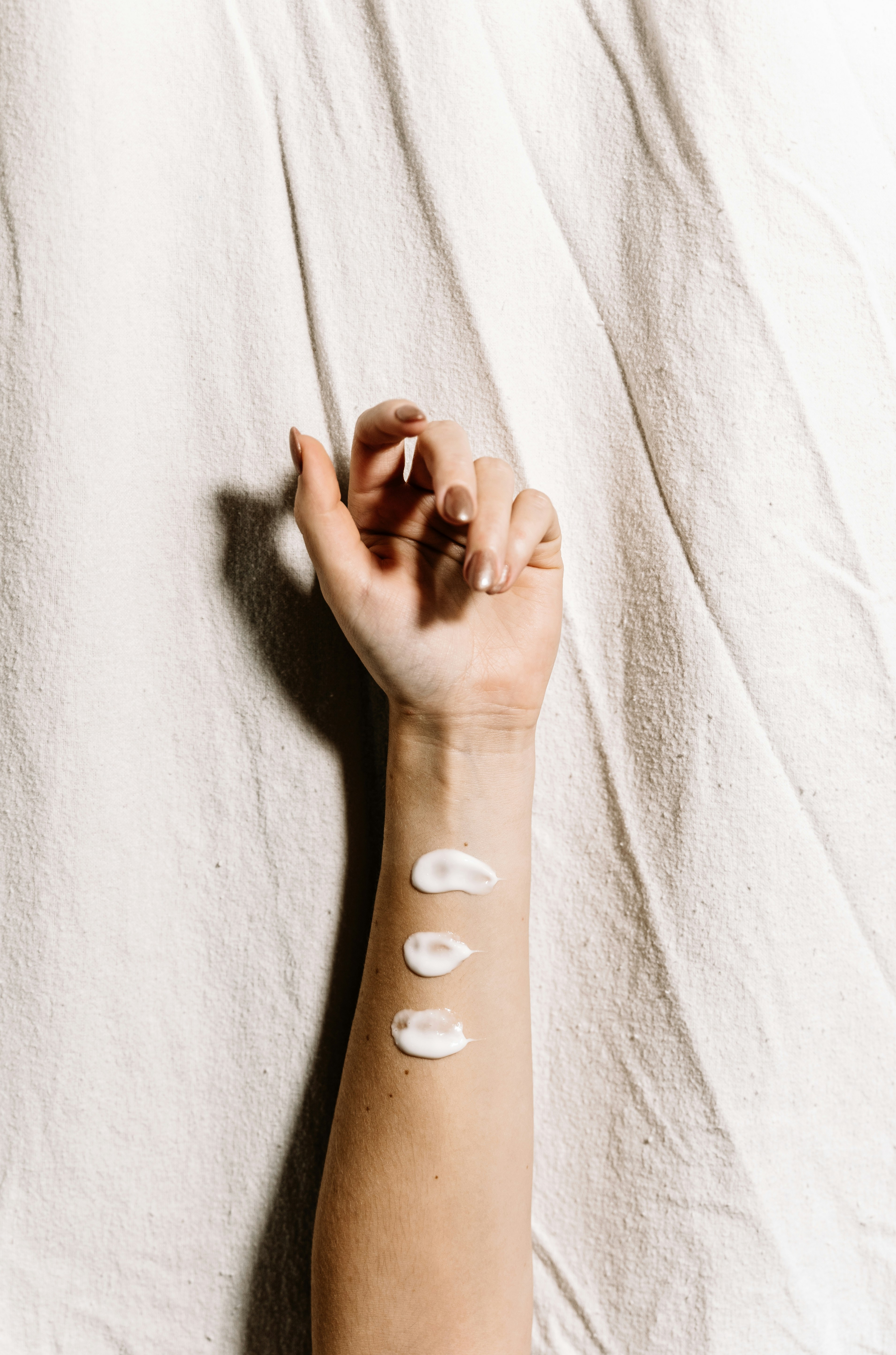
Apply a pea-sized amount for the whole face, not a thick layer.
Pair it with a simple moisturizer and daily sunscreen.
Do not add acids, scrubs, or multiple new actives at the same time.
If irritation keeps building instead of settling, pause and simplify.
For many beginners, the mistake is not choosing a retinoid. It is starting a retinoid during the same week they changed cleanser, exfoliant, moisturizer, and spot treatment too.
What Retinoids Are and Why People Use Them
Retinoids are vitamin A derivatives used in skincare and dermatology. Depending on the product, they may help with acne, clogged pores, uneven texture, and some early signs of photoaging over time.
The American Academy of Dermatology notes that retinoids used for acne can help clear pores and may also help with dark marks left after acne. AAD
That does not mean every retinoid is right for every face, or that stronger is always better. Beginners usually do best when they focus on one main goal:
breakouts and clogged pores
rough texture
early fine-line or tone concerns
If your skin is already very reactive, dry, rosacea-prone, or easily inflamed, it is smarter to calm the baseline first. Best Skincare for Sensitive Skin is the better starting point than forcing a retinoid into an unstable routine.
Retinol vs Adapalene vs Prescription Retinoids
You do not need to memorize every ingredient name, but you should know the broad lanes.
Type | Typical beginner fit | Main caution |
|---|---|---|
Over-the-counter retinol or retinal | People starting for texture, tone, or early photoaging with a gentler pace | Product strength can be unclear, and formulas vary a lot |
Adapalene | Common beginner option for acne-prone skin | Can still dry and irritate if used too often too soon |
Prescription tretinoin, tazarotene, or other stronger retinoids | People using clinician-guided treatment for acne or stronger goals | Higher irritation risk without a careful routine |
AAD notes that people often want to jump straight to a stronger retinoid, but starting with the least intense formula and every-other-night use can reduce irritation. AAD
If you are pregnant, trying to become pregnant, or have a skin condition that already involves significant redness or inflammation, ask your clinician before using a retinoid. This is not the category to self-prescribe aggressively.
How to Start a Retinoid Without Overdoing It
Beginners usually need less product, less frequency, and fewer variables.
1. Start with frequency, not confidence
A practical beginner schedule is:
weeks 1-2: 2 nights a week
weeks 3-4: every other night only if your skin is handling it
after that: increase slowly only if comfort and barrier stability stay acceptable
You do not get extra credit for going nightly in the first week.
2. Use less than you think
MedlinePlus advises applying tretinoin in a thin layer and using it exactly as directed rather than more often or in larger amounts. MedlinePlus
For the whole face, a pea-sized amount is usually enough. More product does not mean faster results. It usually means more irritation.
3. Put it on dry skin
Applying retinoids to damp skin can make the experience harsher for some beginners. A common routine is:
Cleanse gently.
Let skin dry.
Apply a pea-sized amount of retinoid.
Follow with moisturizer.
If your skin is sensitive, a moisturizer-first or moisturizer-retinoid-moisturizer "sandwich" approach can be more comfortable.
AAD also notes that some people reduce irritation by applying moisturizer first, especially with stronger retinoids. AAD
4. Keep the rest of the routine plain
Your beginner retinoid routine does not need to be exciting. It needs to be readable.
Most people do better with:
a gentle cleanser
one plain moisturizer
sunscreen every morning
no unnecessary scrubs, peel pads, or harsh toners
If your routine order is chaotic, fix that first. Skincare Routine Order: The Science Behind Perfect Product Layering is the better companion than adding another serum.
What Not to Combine Too Fast
The first month is where people accidentally create a barrier problem and call it "retinoid purging."
Be more careful with:
exfoliating acids
scrubs or cleansing brushes
multiple acne actives started at once
strong spot treatments layered over the same areas
fragrance-heavy masks or peel-like products
MedlinePlus specifically warns that tretinoin can become more irritating when combined with certain other topical products unless a clinician directs you otherwise. MedlinePlus
That does not mean every combination is always wrong. It means beginners should not improvise a "maximal results" stack and then act surprised when their face objects.
Purging vs Irritation: The Distinction That Matters
Many beginners hear that retinoids can cause an adjustment period and assume any worsening is normal. That is too loose.
More likely routine adjustment
mild dryness that improves with moisturizer
light flaking that settles as frequency stays controlled
acne treatment taking several weeks before improvement is obvious
MedlinePlus notes that tretinoin can make acne look worse at first and that improvement may take several weeks of regular use. MedlinePlus
More likely irritation
burning or stinging that keeps repeating
redness that spreads or lingers longer
shiny-tight skin
painful peeling or cracking
products that suddenly all feel harsh
a rash-like reaction
If the pattern looks more like irritation, do not keep escalating. Review Skin Barrier Damage: Signs, Triggers, and a Simple Recovery Tracking Plan and simplify.
What a Reasonable First Month Looks Like
Beginners often need a time frame more than a pep talk.
Time window | What you may notice | What to do |
|---|---|---|
Week 1 | Mild dryness, slight tightness, no dramatic results yet | Hold frequency steady, moisturize, avoid stacking extras |
Week 2 | Early tolerance clues become clearer | Stay at 2 nights a week if skin still feels stressed |
Weeks 3-4 | Some routines can move to every other night | Increase only if the skin is comfortable, not just because the calendar says so |
Weeks 6-12 | More useful period to judge acne or texture trends | Look for fewer breakouts, smoother texture, or better tolerance patterns |
If your main question is whether you have waited long enough, How Long Does Skincare Take to Work? A Realistic Timeline by Goal gives the better broader timeline.
Signs You Should Pause Instead of Push Through
Pause the retinoid and simplify if:
your face burns with basic moisturizer
redness is getting stronger, not calmer
peeling is painful rather than mild
the skin looks raw, shiny-tight, or cracked
you cannot tell whether the routine is helping because too many things changed at once
You are not failing by backing off. You are preventing a longer setback.
Sometimes the right next step is not a lower-strength retinoid. It is two calmer weeks and a cleaner baseline.
When to Talk to a Dermatologist
Do not keep self-testing if:
your reaction is severe or widespread
you have swelling, blistering, crusting, or marked pain
you have persistent inflammation that does not settle after simplification
you are trying to treat more significant acne or another condition that is not improving
you are unsure whether you are dealing with irritation, dermatitis, rosacea, or another issue
AAD also notes that strong existing redness or inflammation can be a reason to avoid retinoids and seek more targeted guidance instead. AAD
What to Track in Biuty
Retinoids are exactly the kind of product that benefit from calm tracking instead of daily guesswork.
Track:
start date
product name and strength
which nights you used it
dryness, stinging, and redness score
new breakouts or clogged areas
roughness or texture changes
whether moisturizer stings less, the same, or more over time
how your skin looks at 2, 4, 8, and 12 weeks
This gives you a usable record:
"Two nights a week felt fine for the first two weeks. When I jumped to five nights and kept my acid toner, the burning started."
That is better than the vague conclusion that "retinoids ruined my skin."
Key Takeaways
Retinoids can be useful for acne, texture, and some early photoaging goals, but beginners usually do better when they start slower than they think they need to. A thin layer, limited frequency, plain moisturizer, and daily sunscreen are usually more productive than a high-speed routine.
The first month is about tolerance and consistency, not intensity. Do not stack too many actives, do not confuse irritation with progress, and do not keep pushing if your barrier is clearly struggling.
Use Biuty to scan, journal, and compare your retinoid timeline so you can tell the difference between a routine that is gradually working and one that is just getting louder.
Skincare technology editors focused on evidence-informed routines, ingredient literacy, and visual skin progress tracking.
Explore our guides:
The Complete Guide to Skin Concerns · The Complete Skincare Ingredients Guide
Track what actually works for your skin
Biuty helps you compare skin progress over time, understand routine changes, and reduce product guesswork with visual tracking.
Try Biuty
Learn more
Discover more from the latest posts.